
Lifestyle
Portia Nana Akua Pinamang Calls for Greater Attention to the Boy Child’s Mental Health














Lifestyle
“My Vision Is to Take Locally Manufactured Footwear to International Markets” – Simon Quayson, CEO of Mr. Simon Classic Footwear

Ghanaian locally manufactured footwear brand Mr. Simon Classic Footwear is positioning itself for expansion into the international market, with its Chief Executive Officer, Simon Quayson, envisioning a major manufacturing operation that could create employment opportunities for thousands of young people.
Based in Lartebiokorshie in Accra, the brand currently specialises in men’s footwear and is seeking to grow from a local footwear business into a recognised Ghanaian brand with a presence beyond the country.
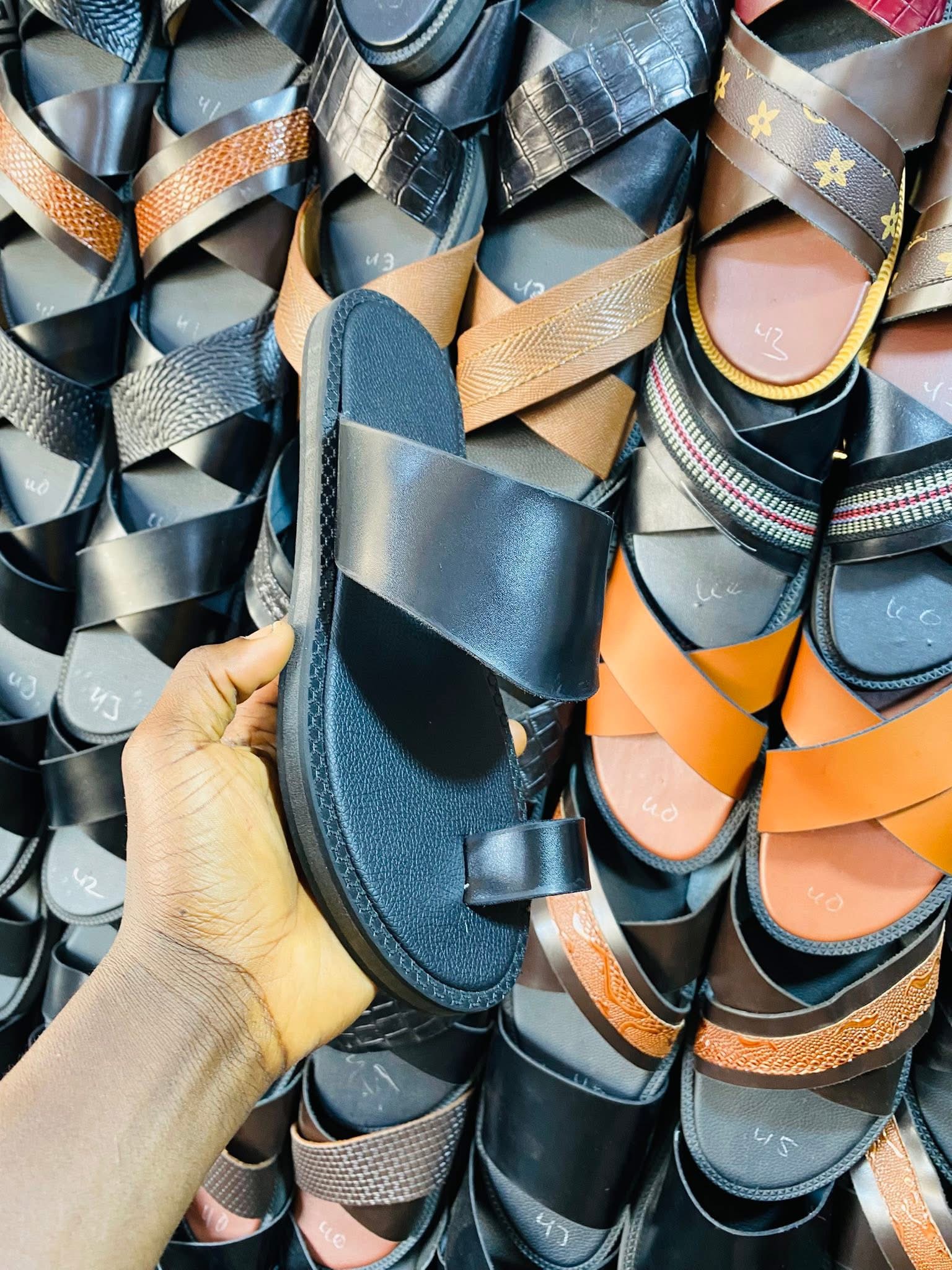
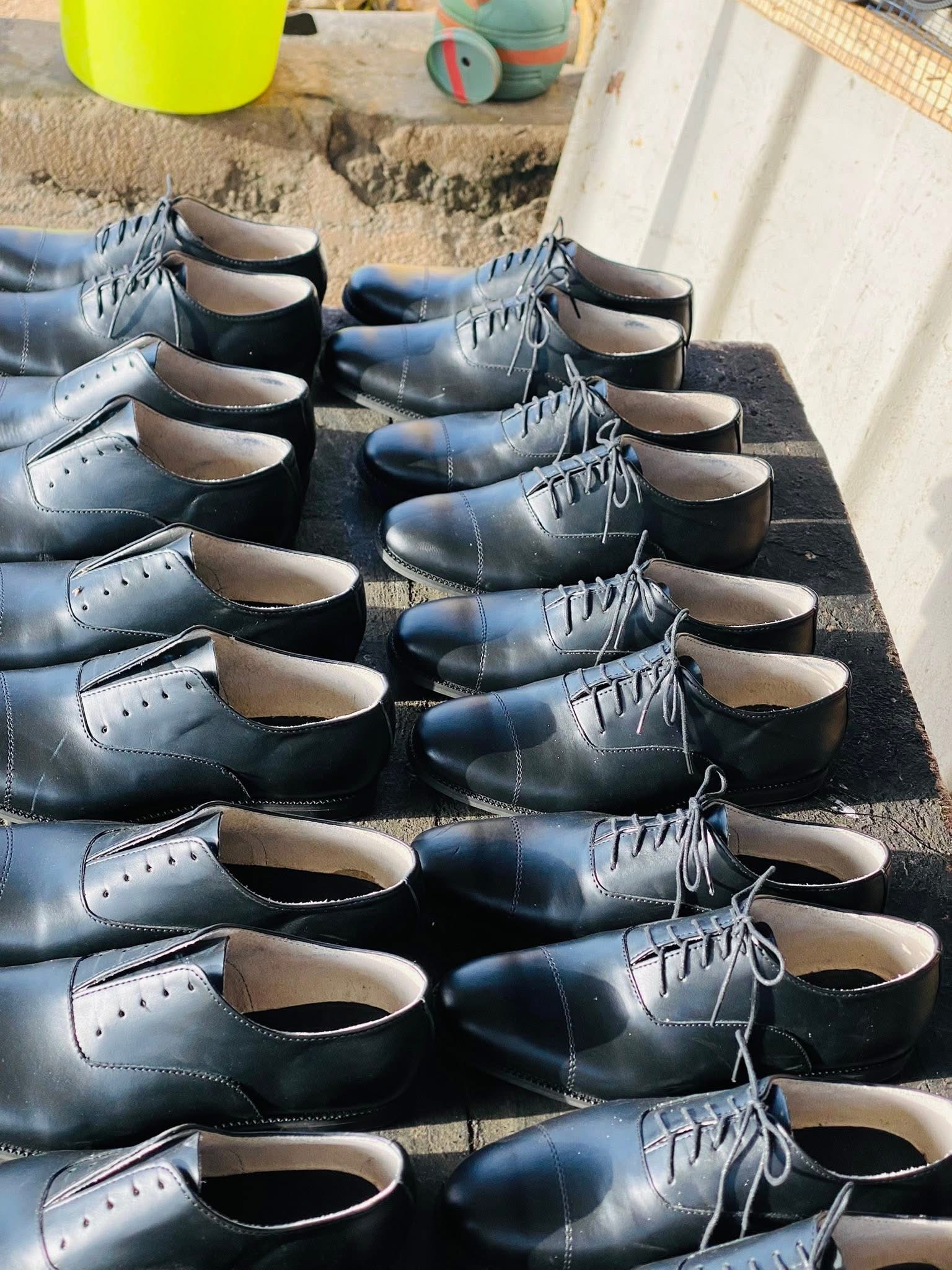
Speaking about his vision for the company, Simon Quayson said Ghana has the raw materials and potential needed to become a major hub for quality shoe manufacturing, adding that his long term ambition is to take the brand to the international market.
According to him, the growth of Ghana’s footwear industry should not only be about selling locally made shoes but also developing the capacity to manufacture at scale and compete in international markets.
His vision is partly inspired by Ghana’s first President, Osagyefo Dr Kwame Nkrumah, and the industrial development agenda associated with his administration, including the establishment of shoe manufacturing factories in Ghana.
Simon Quayson believes that the country can once again build a stronger footwear manufacturing industry by investing in local production, developing skills and creating opportunities for young people.
For Mr. Simon Classic Footwear, the immediate focus is on strengthening the brand, improving its reach and establishing itself as a competitive local footwear manufacturer. However, the long term plan goes beyond the current operation.
The ultimate ambition is to establish a large scale shoe manufacturing factory capable of employing thousands of young people. Such a facility, he believes, could help create jobs while giving more young Ghanaians the opportunity to develop careers and skills within the manufacturing sector.
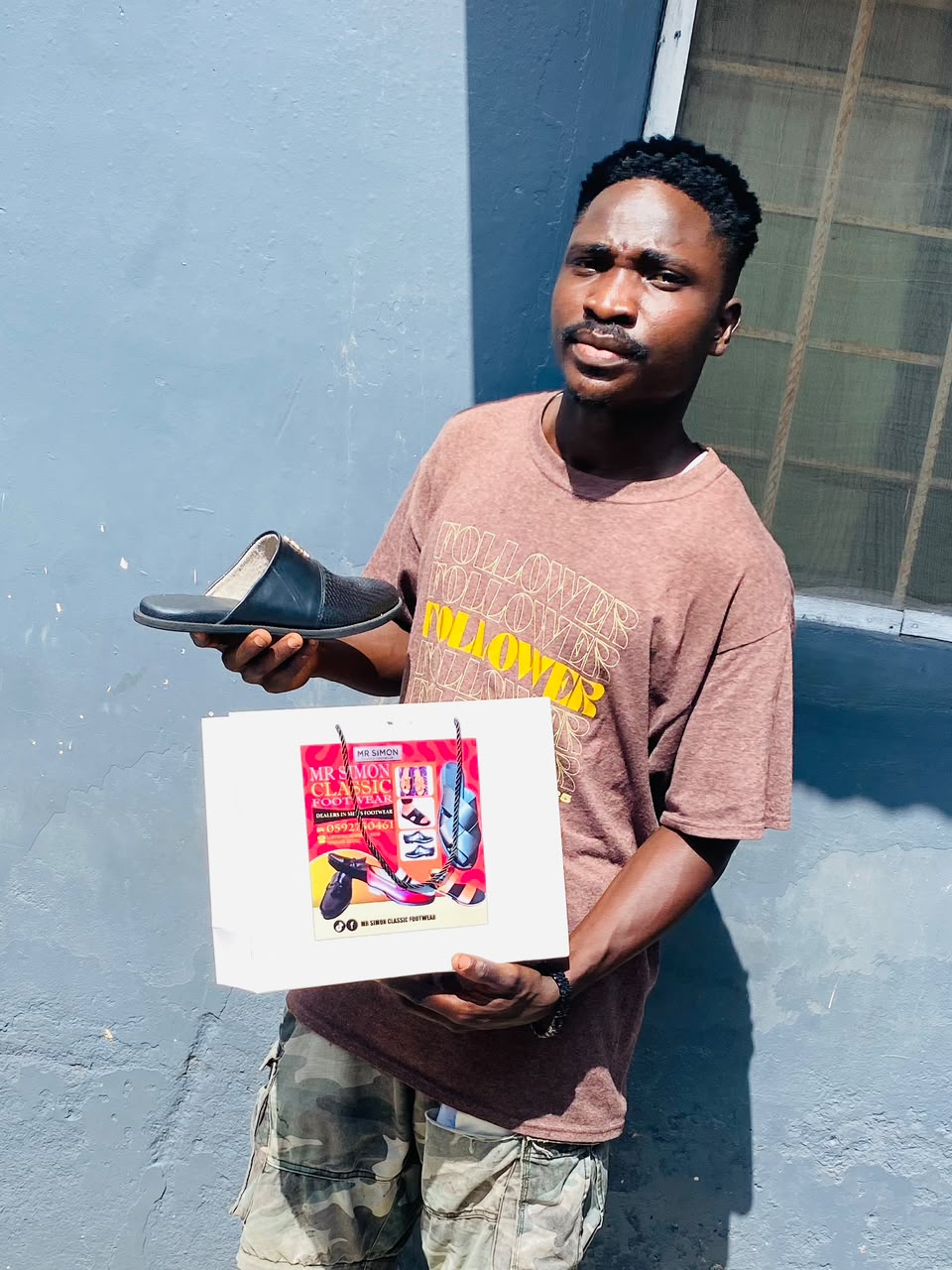
The vision also reflects a broader push to demonstrate the potential of Ghanaian made products. By combining local resources, craftsmanship, branding and modern manufacturing, Mr. Simon Classic Footwear hopes to build a company that can serve both the Ghanaian market and customers abroad.
The journey is still at an early stage, but the ambition is significant. What currently operates as a locally manufactured men’s footwear brand in Lartebiokorshie is being developed with a much bigger destination in mind: an internationally recognised Ghanaian footwear company supported by large scale local production and capable of creating employment for thousands.
Mr. Simon Classic Footwear can be contacted on 0592750461 for enquiries and orders.


“My Vision Is to Take Locally Manufactured Footwear to International Markets” – Simon Quayson, CEO of Mr. Simon Classic Footwear
Ghanaian locally manufactured footwear brand Mr. Simon Classic Footwear is positioning itself for expansion into the international market, with its...

Safety Gathering 3.0 Crowns New Champions at Goldfield Clubhouse, Tarkwa
Safety Gathering 3.0 lived up to its billing as a premium evening celebrating safety leadership, excellence in mentorship, and the...


REIGNING WITH CHRIST IN MY KINGDOM BY HER MAJESTY, DR. JOSEPHINE DIETE-SPIFF ESQ, JP, QUEEN OF TWON BRASS KINGDOM, BAYELSA STATE, NIGERIA.
(CONCLUSION) Advertisement HEALING AND DELIVERANCE MINISTRY God called me into the ministry through a dream in 1999, after I...


BOLIC and HOLYRINA Team Up on Inspirational New Song “Ɔbrɛ”
Life has a way of testing us. There are seasons when the road feels endless, the weight becomes heavy, and...


Michael K. Okyere releases “Kyere Me Kwan”
Ghanaian artiste Michael K. Okyere has released his latest single, Kyere Me Kwan, a faith driven song that reflects on...


Bono Legendary Awards 2026 Set to Celebrate Outstanding Icons and Contributors
The Bono Region is set to shine as distinguished personalities and accomplished individuals are brought together for the Bono Legendary...


Lhord Verses Showcases His Lyrical Prowess in New ‘LeBron Flow’ Freestyle
Ghanaian rapper Lhord Verses has released a new freestyle video titled “LeBron Flow Freestyle,” showcasing his lyrical ability, confidence and...


Ghana, Sierra Leone and Germany Set for Cultural Exchange Through GERGHANSAL 2027
Ghanaian, Sierra Leonean and German artists are set to come together for GERGHANSAL 2027, an international art exhibition aimed at...

Central Music Awards 2026: Full List of Nominees
Heritage Promotions, organizers of the annual Central Music Awards (CMA), have officially unveiled the nominees for the 15th edition of...


A DISTINGUISHED EXIT: Construction Division Celebrates Engr. Bello Kabir as He Retires from FCT Civil Service After 34 Years of Meritorious Service
A Seasoned Civil and Structural Engineer, Fountain of Knowledge, Mentor, Role Model and Distinguished Patriot Exits Active Service After More...
“My Vision Is to Take Locally Manufactured Footwear to International Markets” – Simon Quayson, CEO of Mr. Simon Classic Footwear
Safety Gathering 3.0 Crowns New Champions at Goldfield Clubhouse, Tarkwa
REIGNING WITH CHRIST IN MY KINGDOM BY HER MAJESTY, DR. JOSEPHINE DIETE-SPIFF ESQ, JP, QUEEN OF TWON BRASS KINGDOM, BAYELSA STATE, NIGERIA.
BOLIC and HOLYRINA Team Up on Inspirational New Song “Ɔbrɛ”
Michael K. Okyere releases “Kyere Me Kwan”

Emperor T-Jiga wins Best Diaspora Afrobeat Artist of the Year at Ghana Music Awards Europe 2026

Nora Mbadila, Audrine and Sharifa Emerge as Overall Best Students at Serasa Foundation Educational Awards

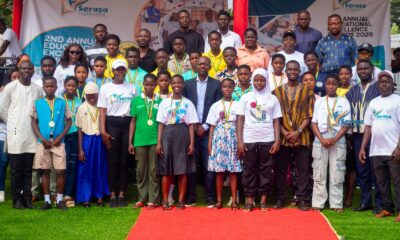
Serasa Foundation Celebrates 24 Students at 2nd Annual Educational Excellence Awards
Central Music Awards 2026: Full List of Nominees

MTN Ghana Engages Bloggers on Cybersecurity, AI and the Future of Digital Finance
-
 Showbiz3 weeks ago
Emperor T-Jiga wins Best Diaspora Afrobeat Artist of the Year at Ghana Music Awards Europe 2026
-
 Asikuma Odoben Brakwa District3 weeks ago
Nora Mbadila, Audrine and Sharifa Emerge as Overall Best Students at Serasa Foundation Educational Awards
-
 Asikuma Odoben Brakwa District3 weeks ago
Serasa Foundation Celebrates 24 Students at 2nd Annual Educational Excellence Awards
-
Awards1 week ago
Central Music Awards 2026: Full List of Nominees
-
 Business3 weeks ago
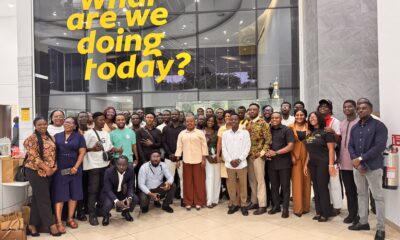
MTN Ghana Engages Bloggers on Cybersecurity, AI and the Future of Digital Finance
-

 Nigeria2 weeks ago
REIGNING WITH CHRIST IN MY KINGDOM BY HER MAJESTY, DR. JOSEPHINE DIETE-SPIFF ESQ, JP, QUEEN OF TWON BRASS KINGDOM, BAYELSA STATE, NIGERIA.
-
Nigeria1 week ago
A DISTINGUISHED EXIT: Construction Division Celebrates Engr. Bello Kabir as He Retires from FCT Civil Service After 34 Years of Meritorious Service
-

 Entertainment4 weeks ago
Michael K. Okyere to release new single “Kyere Me Kwan” on October 3
Redden Danso
June 30, 2026 at 11:37 am
Great call. I sincerely think men’s mental health has been severely overlooked throughout time for obvious reasons “Men are strong”, forgetting we are humans.