Connect with us

Lifestyle

Ghana’s Private Universities Face Extinction Risk Without Urgent Policy Support – Accra Metropolitan Lecturer Warns

Published

on

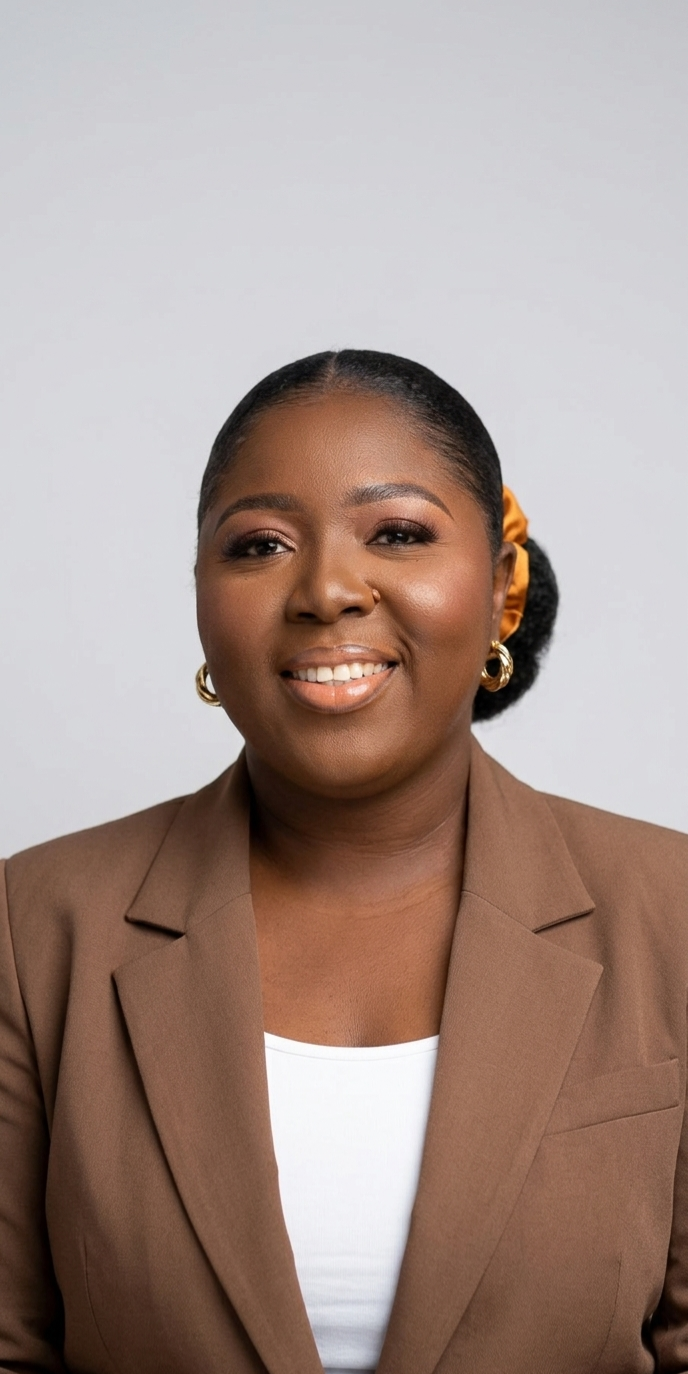
Miss Naomi Borley Alabi, a lecturer at Accra Metropolitan University, has warned that Private Higher Education Institutions (PrHEIs) could face extinction if current government policies continue to sideline their contribution.

Miss Alabi points out that despite making up over 80% of Ghana’s tertiary institutions, private universities enrol just 11% of students, a sharp fall from 20% in 2012.

Advertisement

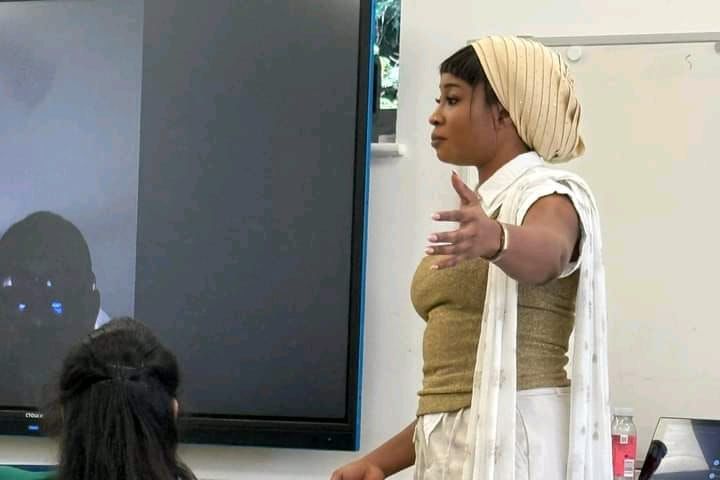
Speaking on Equity at a Crossroads: Rethinking Private Provision in Ghana’s Higher Education at a major higher education policy forum at the University of Oxford, UK, on Tuesday, June 3, 2025, Miss Alabi, who is also the Deputy Chief Executive of the Ghana Tourism Development Company, said the current state of private universities is not due to a lack of value. They have often proven to offer smaller classes, uninterrupted academic calendars, and greater access for women, working adults, and rural students.
But they are being squeezed out, by delays in accreditation, lack of funding, and policies that favour public institutions, leaving them underused and under-supported.

Miss Alabi, a lawyer by profession, calls this the “Equity Displacement Effect”, a situation where government efforts to increase access unintentionally leave out the very schools best placed to offer inclusive, flexible education.
She warns: “If left unaddressed, Ghana risks losing a sector that can complement, not compete with, public universities.”
Her message is clear: support private universities now, or risk shrinking the space for equity and innovation in Ghana’s higher education.
She offers some auspicious proposals that could turn the situation around. These include the government recognising private higher education as a public good; providing fair access to student loans and research funding; creating employment outcome tracking for all universities; and reforming accreditation pathways for faster, fairer approval.

Miss Alabi calls on stakeholders to rethink higher education together, stressing that Ghana needs both public and private universities to thrive.
The forum was held under the theme Access and Geopolitics: Next Steps in Tackling the Equity Crisis in Global Higher Education. It was organised under the auspices of WAHEN, CGHE, and SKOPE.

Advertisement

Continue Reading
Advertisement
Click to comment

Leave a Reply

Your email address will not be published. Required fields are marked *

Lifestyle

Portia Nana Akua Pinamang Calls for Greater Attention to the Boy Child’s Mental Health

Published

on

As the world marks Men’s Mental Health Awareness Month each June, Ghanaian writer Portia Nana Akua Pinamang is urging society to broaden the conversation on gender and wellbeing by giving greater attention to the mental health needs of boys and young men.

In her post, The Boy Child Is Crying. And Nobody Is Listening., Pinamang argues that while global efforts to protect and empower girls remain both necessary and commendable, the emotional wellbeing of boys has received far less attention. She contends that the consequences of this imbalance are increasingly reflected in rising suicide rates, untreated mental illness, substance abuse, and emotional isolation among men and boys worldwide.

Advertisement

Drawing on international research, Pinamang highlights findings from First Therapy’s 2026 Men’s Mental Health Report, which indicate that men account for approximately 80 percent of suicides globally while only a small proportion seek professional therapy. She also cites data from the American Foundation for Suicide Prevention showing that men continue to die by suicide at significantly higher rates than women, with suicide remaining one of the leading causes of death among young adults.

According to the essay, the National Institute of Mental Health estimates that nearly one in five men experiences a mental health condition annually, while millions live with depression without seeking treatment. Research from the United Kingdom and Australia similarly points to low rates of psychological service utilization among young men despite substantial mental health needs.

Portia Nana Akua Pinamang argues that these statistics reveal a broader societal problem. Rather than viewing men’s reluctance to seek help as a personal choice, she suggests that many boys are raised in environments that discourage emotional expression from an early age. Messages such as “man up” and “boys don’t cry,” she writes, teach boys to suppress vulnerability instead of developing healthy emotional coping mechanisms.

Advertisement

The essay devotes particular attention to Africa, where Pinamang describes mental health systems as critically under-resourced. Using data from Ghana’s Mental Health Authority, she notes a significant increase in reported suicide deaths and attempts, particularly among young people. She further references World Health Organization estimates indicating that Ghana has only a few dozen psychiatrists serving millions of people who require mental health care.

Nigeria, she argues, faces similar challenges. Citing comparative mental health studies and national survey findings, She points to severe shortages of mental health professionals and low treatment rates for individuals living with mental illness. Across sub-Saharan Africa, she notes, access to psychiatrists remains among the lowest in the world, leaving many young people without meaningful support.

According to Pinamang, these systemic gaps leave vulnerable boys exposed to environments where emotional distress often manifests through substance abuse, violence, crime, or suicide. Rather than finding accessible counselling services, many instead encounter social pressures that reinforce silence.

Advertisement

Despite the urgency of her message, Pinamang emphasizes that her argument is not intended to diminish advocacy for girls and women. Instead, she frames the issue as one of balance.

She argues that boys and girls are not competitors but future partners, parents, colleagues, and citizens whose wellbeing is interconnected. Building emotionally healthy societies, she writes, requires nurturing both girls and boys with equal intentionality.

The essay concludes with a call for coordinated action from families, schools, communities, and governments. Parents, Pinamang argues, should teach boys emotional literacy alongside resilience. Schools should provide safe spaces where boys can discuss their feelings without fear of ridicule. Communities should reject cultural norms that equate suffering with strength, while governments particularly across Africa should increase investment in accessible mental health services.

Advertisement

For her, mental health funding should be viewed as essential public infrastructure rather than an optional social service. She maintains that supporting boys before they reach crisis benefits not only individuals but entire communities.

Advertisement
Continue Reading
Advertisement

Facebook

Featured

News2 days ago

Maame Grace Asks President Mahama to Investigate Mosquito Lab Ghana

Spiritual teacher Maame Grace has made a passionate appeal to President John Dramani Mahama, urging him to order an immediate...

Events3 days ago

Bright Mumuni Aziz Champions Adolescent Health and Youth Development at National Stakeholder Engagement

Education Advocate and Entrepreneur Bright Mumuni Aziz, Director of Research, Monitoring & Evaluation at the Federation of African Youth Development...

Asikuma Odoben Brakwa District5 days ago

Hon. Olivia Bentil Commissions 2-Unit KG Block and Mechanized Borehole, Advancing Development in Amoanda

The District Chief Executive (DCE) for the Asikuma-Odoben-Brakwa District, Hon. Olivia Bentil, has commissioned a newly completed 2-unit Kindergarten (KG)...

Showbiz1 week ago

Agnes Danso Unveils Powerful New Single “Eshe” Produced by Roro

Ghanaian-born singer and songwriter Agnes Danso, who is currently based in the United States of America, has officially released her...

Local News1 week ago

Nkusukum Opem Okyir Festival 2026 Launched With Call To Preserve Ghana’s Food Heritage

Traditional authorities in Nkusukum Opem has officially launched the Nkusukum Opem Okyir Festival 2026, calling for greater national support to...

Lifestyle2 weeks ago

Portia Nana Akua Pinamang Calls for Greater Attention to the Boy Child’s Mental Health

As the world marks Men’s Mental Health Awareness Month each June, Ghanaian writer Portia Nana Akua Pinamang is urging society...

Events2 weeks ago

Bright Mumuni Aziz Engages Youth at Assemblies of God Campus Ministry on “Empowering Yourself as 21st Century Youth”

Ghanaian youth activist and social media commentator Bright Mumuni Aziz has called on young people to take deliberate steps toward...

News3 weeks ago

NOTICE TO THE GENERAL PUBLIC: FALSE REPORT ATTRIBUTED TO Nchiraa Senior High School

The attention of Nkyeraa/Nchiraa Senior High School has been drawn to a circulating publication and video alleging that a senior...

Showbiz1 month ago

Iona Reine Embarks on New Chapter Following Management Deal with Aneki LLC

Ghanaian singer Mercy Onuawonto Sam, professionally known as Iona Reine, has taken a significant step in her music career after...

Central Region1 month ago

MTN Ghana Foundation Completes 170 Impactful Projects Nationwide

MTN Ghana Foundation’s Corporate Social Responsibility Initiatives Make a Lasting Impact By: Bismark Botchwey, Cape Coast The MTN Ghana Foundation...

Advertisement

Trending